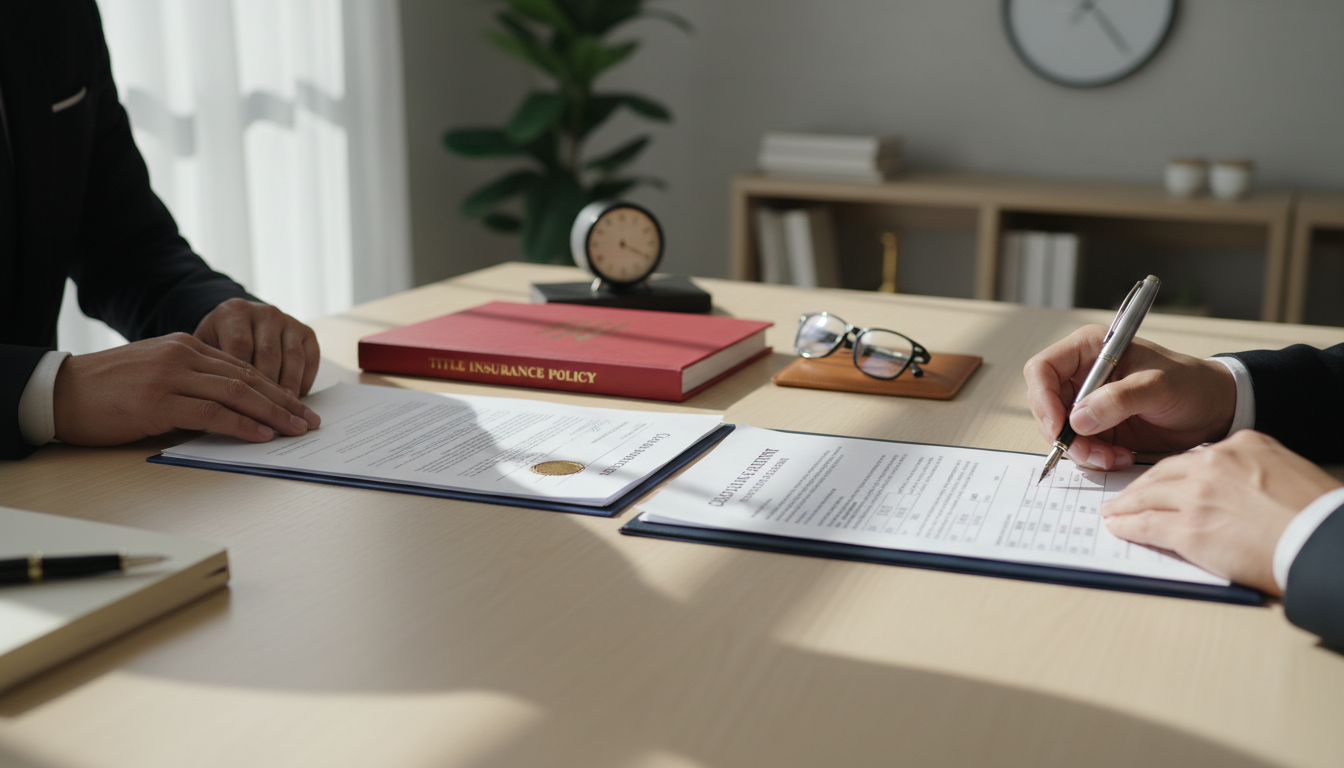
How to Sell Your House Without a Realtor: A Step-by-Step Guide
Ma
Decide If Selling Without a Realtor Is Right for You
Selling your home without a realtor, often called "For Sale By Owner" (FSBO), can save you thousands in commission fees. However, it requires time, effort, and a good understanding of the real estate market. Consider your ability to handle marketing, negotiations, and legal paperwork.
Set the Right Price
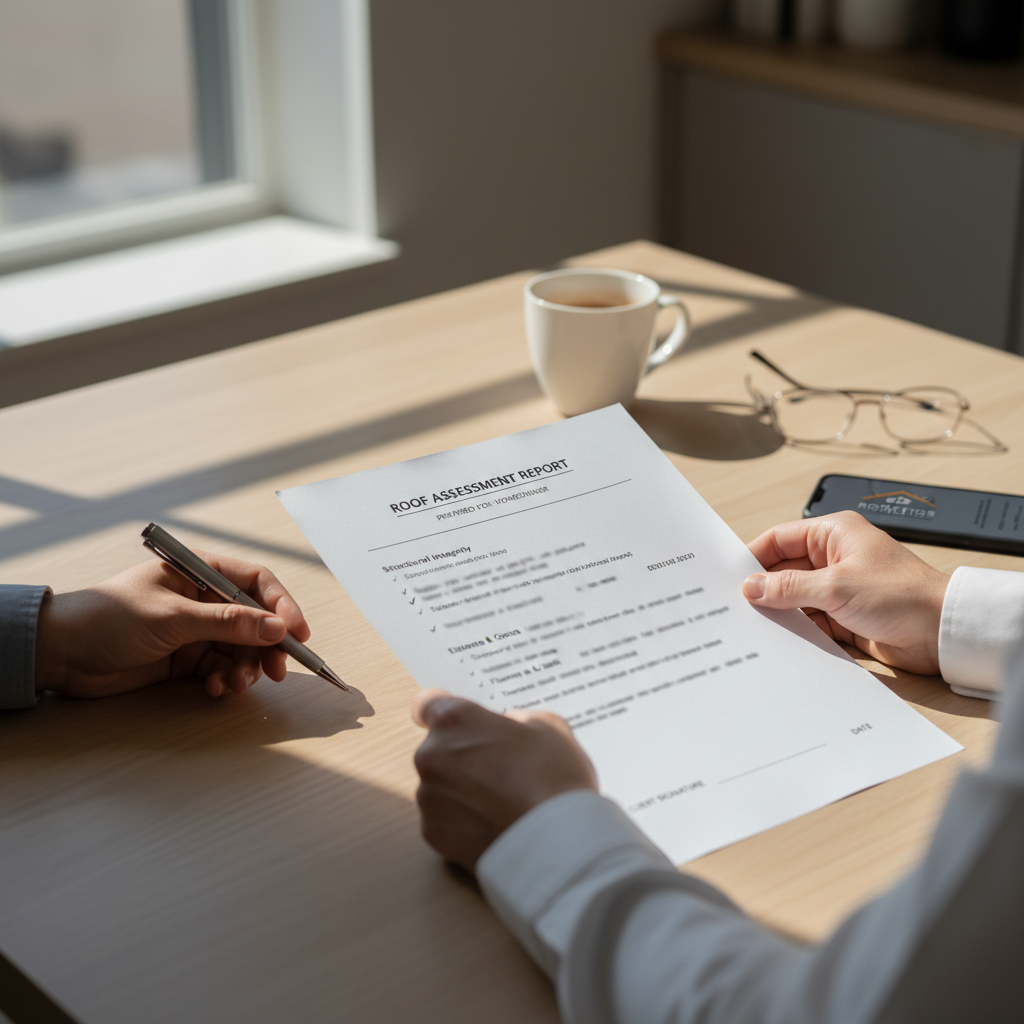
Pricing your home correctly is crucial. Research similar homes in your area to understand the market value. Consider using online valuation tools or hiring an appraiser to get an accurate estimate. Setting the right price can attract more potential buyers and help you sell faster.
Research the Market
Look at recent sales in your neighborhood. Pay attention to homes with similar square footage, features, and conditions. This will give you a competitive edge in pricing your property correctly.
Prepare Your Home for Sale
First impressions matter. Clean, declutter, and stage your home to make it appealing to buyers. Consider small repairs or updates like painting walls or replacing old fixtures. A well-presented home can significantly impact a buyer's decision.

Take High-Quality Photos
Quality photos are essential for online listings. Use a good camera or hire a professional photographer to showcase your home. Capture each room with plenty of natural light and highlight the best features of your property.
Market Your Property
Marketing is key to attracting buyers. List your home on popular real estate websites and use social media to reach a wider audience. Create eye-catching flyers and consider hosting open houses to generate interest.
- Post on online real estate platforms
- Utilize social media channels
- Host open houses
- Create attractive flyers
Negotiate Offers
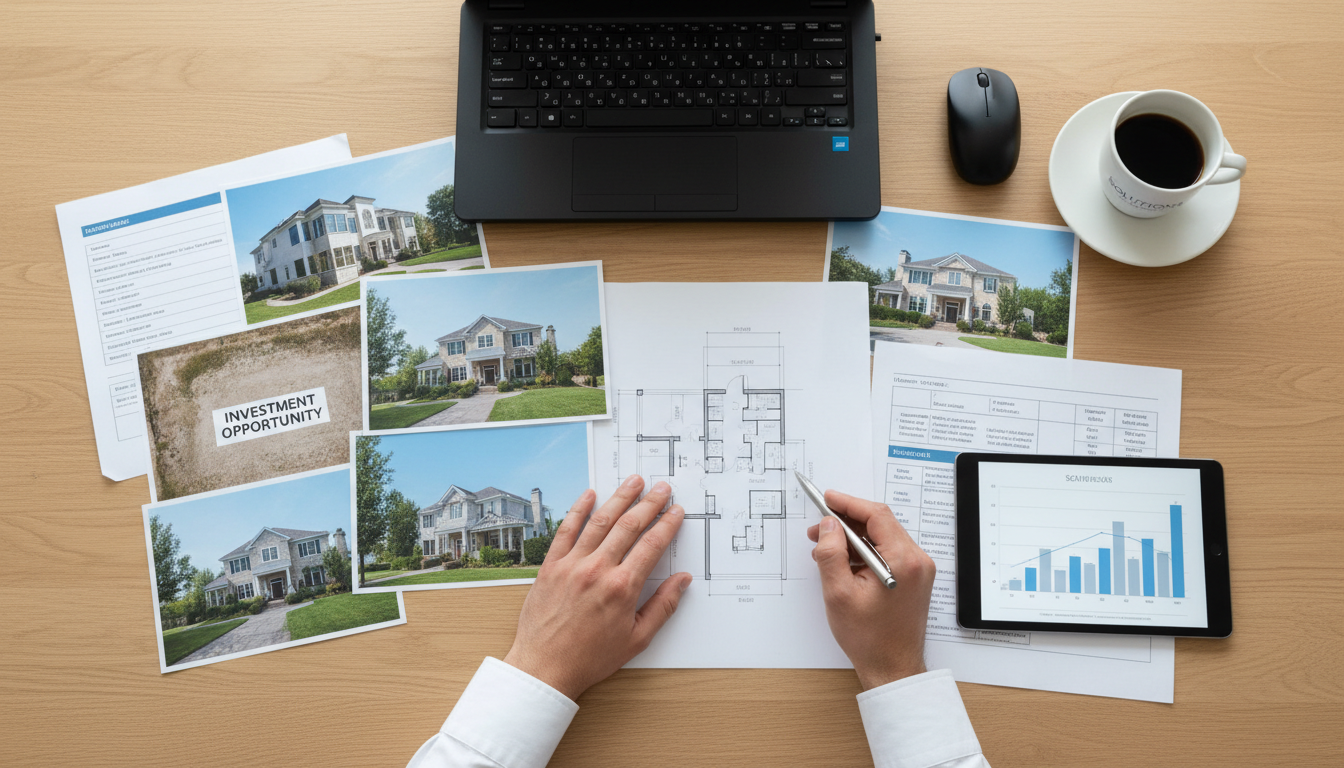
Once you receive offers, evaluate them carefully. Consider both the price and the terms. Be prepared to negotiate with potential buyers to reach a mutually beneficial agreement. Remember, the highest offer isn't always the best if the terms aren't favorable.
Handle the Paperwork
Real estate transactions involve significant paperwork. You may want to consult a real estate attorney to ensure all documents are in order. This includes the sales contract, disclosure forms, and any local regulatory paperwork.
Close the Sale
Once you accept an offer, work closely with the buyer to complete the closing process. This typically involves inspections, appraisals, and finalizing financing. Stay organized and responsive to facilitate a smooth transaction.